User Experience
01.2024
Human, Machine, Motion Sickness
Your Contact

Yijun
User Experience
User Experience
We specialize in solving problems where human experience meets technology. Discover how we transform your ideas into tangible solutions – from the very first concept through continuous optimization.
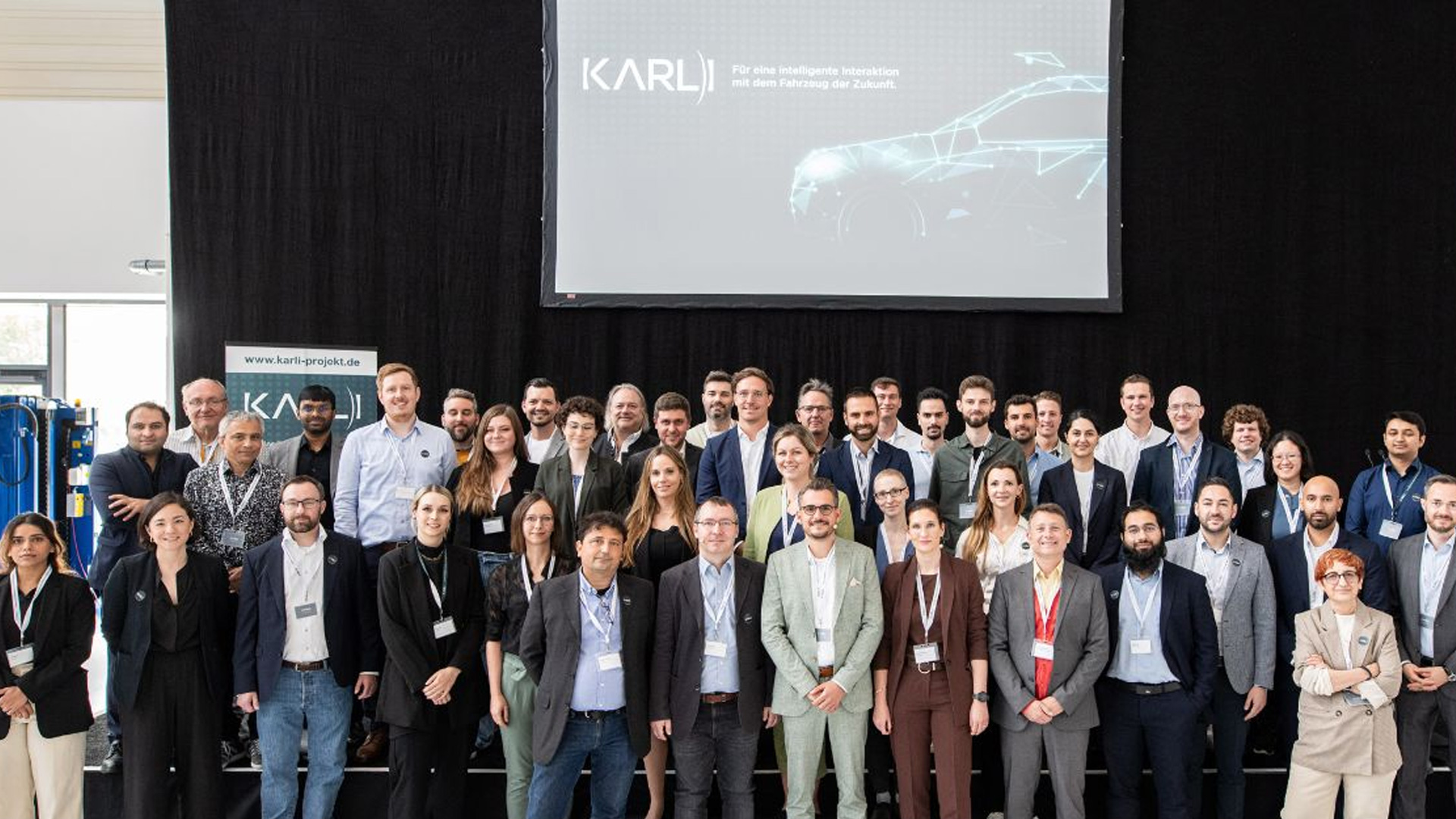
Humans, machines, and motion sickness – that’s the core of our research within the KARLI project.
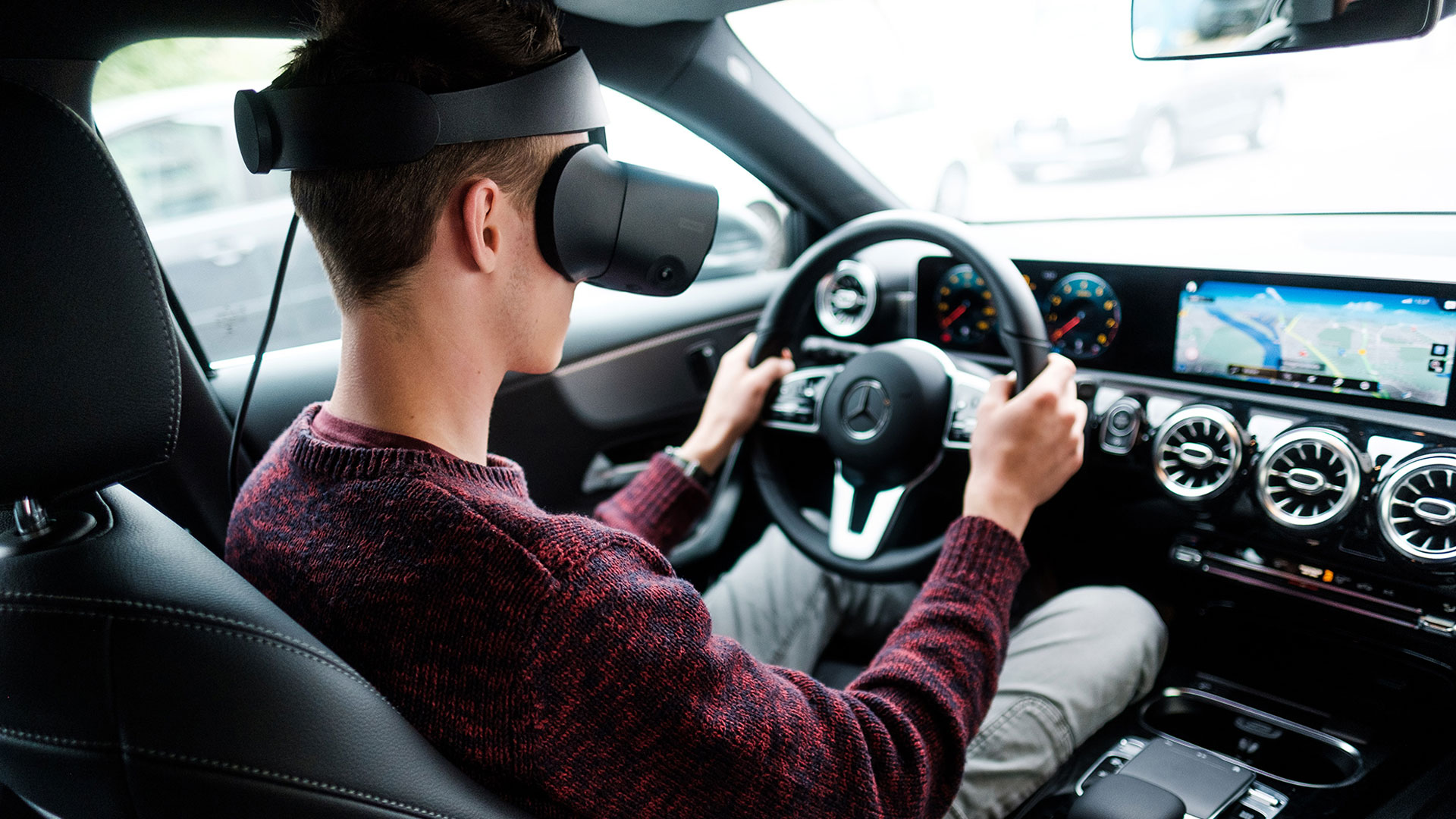
Automated driving is transforming far more than technology – it’s reshaping how we experience mobility itself. The project’s goal is simple yet ambitious: to design interaction inside automated vehicles so that it feels intuitive, comfortable, and genuinely user‑friendly. But with the freedom to read, work, or relax during the ride comes an old challenge in a new context: motion sickness. The less people steer themselves, the more they turn to screens – and for many, that leads to nausea and discomfort. This is exactly where our research begins.
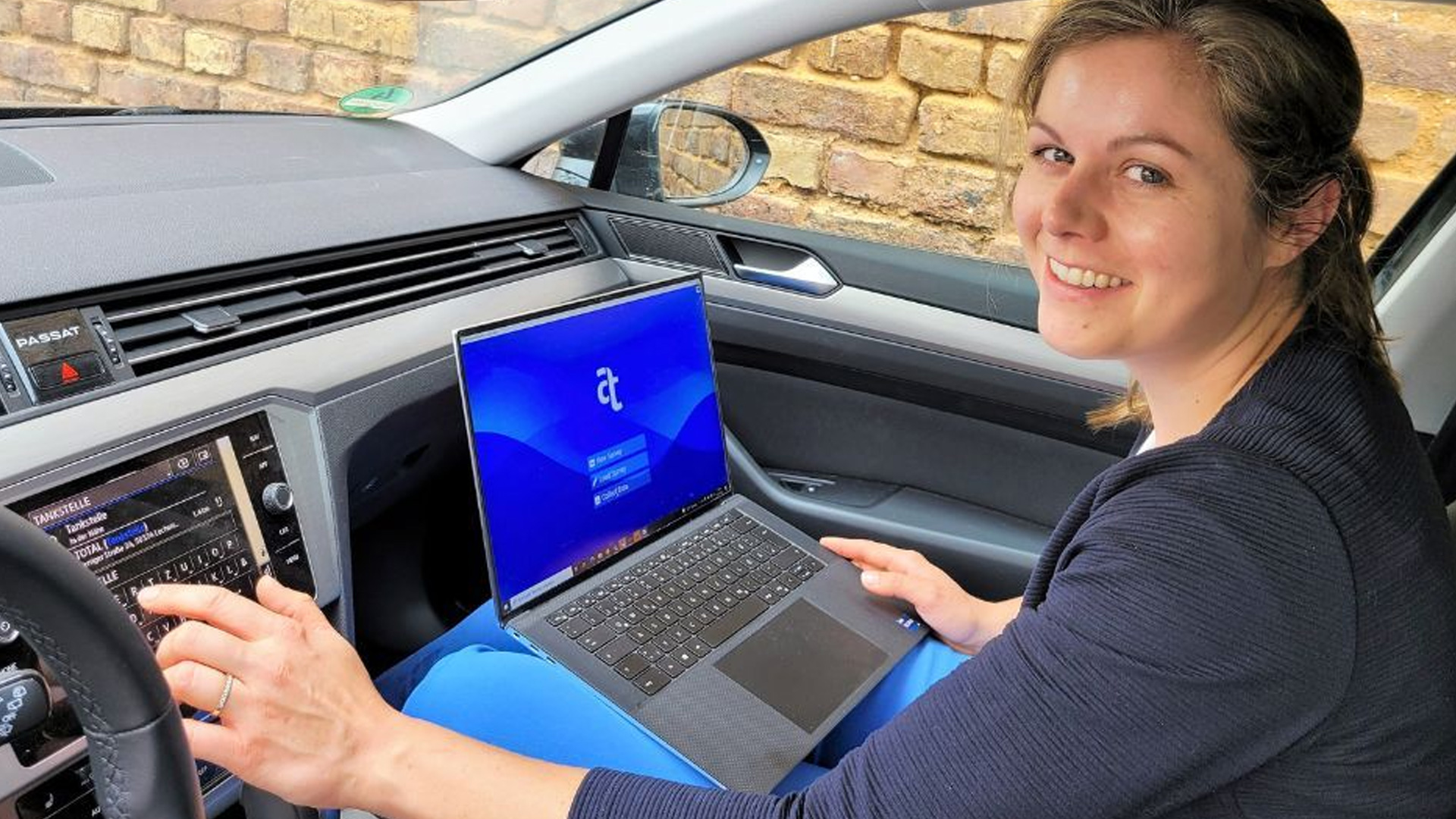
As part of the KARLI project, we conducted test drives with participants in Ford Germany’s research vehicles to gather real‑world data on how motion sickness emerges – and how it can be prevented. To make this possible, we developed and integrated two key components:
- A visual HMI by Studio Kurbos, embedded in an e‑reader, designed to reduce motion sickness through targeted visual cues and thoughtful interface design.
- An enhanced navigation guidance system that leads participants safely and consistently through the study scenario – ensuring reliable data and a clear, structured user experience.
Automatisiertes Fahren verändert nicht nur die Technik – sondern auch die Art, wie wir unterwegs sind. Das Ziel des Projekts? Die Interaktion in automatisierten Fahrzeugen so zu gestalten, dass sie intuitiv, komfortabel und nutzerfreundlich ist. Doch mit der neuen Freiheit, sich während der Fahrt anderen Tätigkeiten zu widmen, kommt eine alte Herausforderung zurück: Motion Sickness. Denn je weniger die Autofahrer*innen selbst steuern, desto häufiger greifen sie zu Bildschirmen, lesen, arbeiten oder entspannen – und genau das kann bei vielen zu Übelkeit und Unwohlsein führen. Hier setzt unsere Forschung an.
The data we collected forms the foundation for developing an AI‑based assistance system that can detect the onset of motion sickness in real time – and proactively suggest tailored recommendations and countermeasures. The goal is a smart prototype that doesn’t just react, but supports users anticipatively.
How this looks and works in practice, you can explore here.
A big thank‑you to our project partners: Continental, AUDI AG, Ford Germany, INVENSITY, semvox GmbH, Limbach, University of Stuttgart, Stuttgart Media University, studiokurbos®, TWT, and the Fraunhofer Institute. This collaboration is defined by openness, expertise, and a shared commitment to shaping the future of automated driving.
KARLI is more than a project – it’s a step toward truly human‑centered mobility.
Inspiring and activating
Dive deeper: These posts from the same category offer new perspectives, inspiring impulses, and further ideas that spark curiosity and invite you to keep reading.